


Part 1: behind every tragedy.
“Behind every tragedy lies some exquisite thing.” – The Picture of Dorian Gray, by Oscar Wilde.
It’s no secret that humans love tragedy or the concept and catharsis of it. But why? Is it because of the emotional experience it grants us or seeing someone else in pain who isn’t us? Truth be told, I’m not sure. But whether it’s Shakespeare’s Romeo and Juliet or the myths of Orpheus, Eurydice, or Hades and Persephone or Wilde’s own The Picture of Dorian Gray we love tragedy and the aesthetic of it. But what if it’s not always tragic? What if we do sing it again in the hopes it may turn out this time? What if the vampire isn’t a monster but a lovable bi anti-hero, what if the actress who is heartbroken and dies gets circular vengeance from beyond the grave? What if Juliet doesn’t off herself with Romeo and there’s a life beyond social ruin and loneliness? These are all great questions and I believe this is the reason the public domain is important, additionally it’s why Hadestown by Anäis Mitchell and the west end musical & Juliet have done so well. It’s not always about the catharsis of tragedy but rather the potential to reclaim it and make it joyful even if the ending is bittersweet. I would therefore dare to say it’s about reclaiming one’s voice and seeing some complexity and goodness even in the darkest of stories and times. That makes human culture and literary canon larger than life.
Part 2: we’re gonna sing it again.
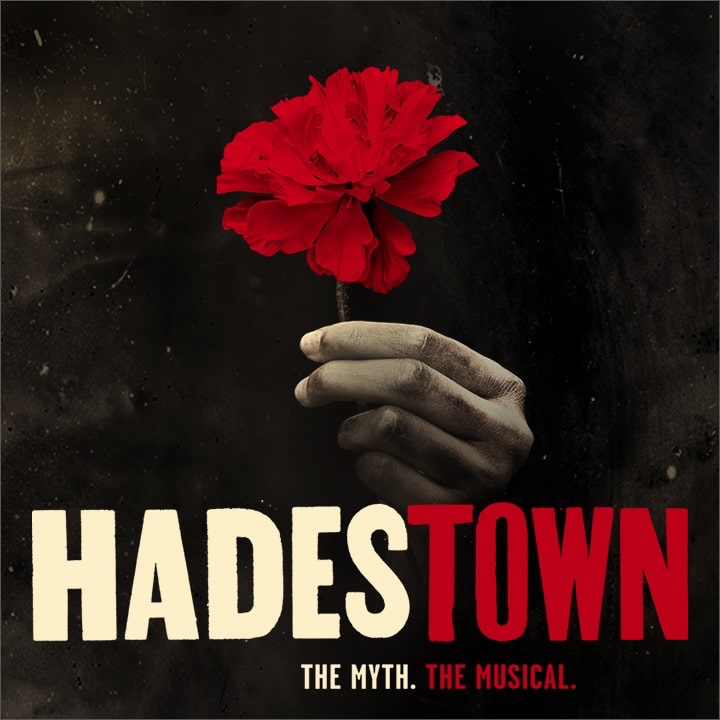
“But we’re gonna sing it again and again.” – Hermes, Hadestown
But why then do we continue to retell them? As said, it’s not about the tragedy itself but the potential for joy and nuance. Hadestown and the musical & Juliet explore this exceptionally well casting the actors not as the characters but as the players and chorus playing those characters we know so well. We continue to retell them because there’s still relevant to an extent but that doesn’t mean we can’t tear up the rule book and reclaim it in a modern context.
Wait for me? I will.
Hadestown


Leave a Reply