


Spoiler free review:
Rating out of 10: 10(+) note, however, in this case, this rating is heavily coloured by bias as I would consider myself the target audience for Dave Malloy’s musical, Natasha, Pierre and The Great Comet of 1812.
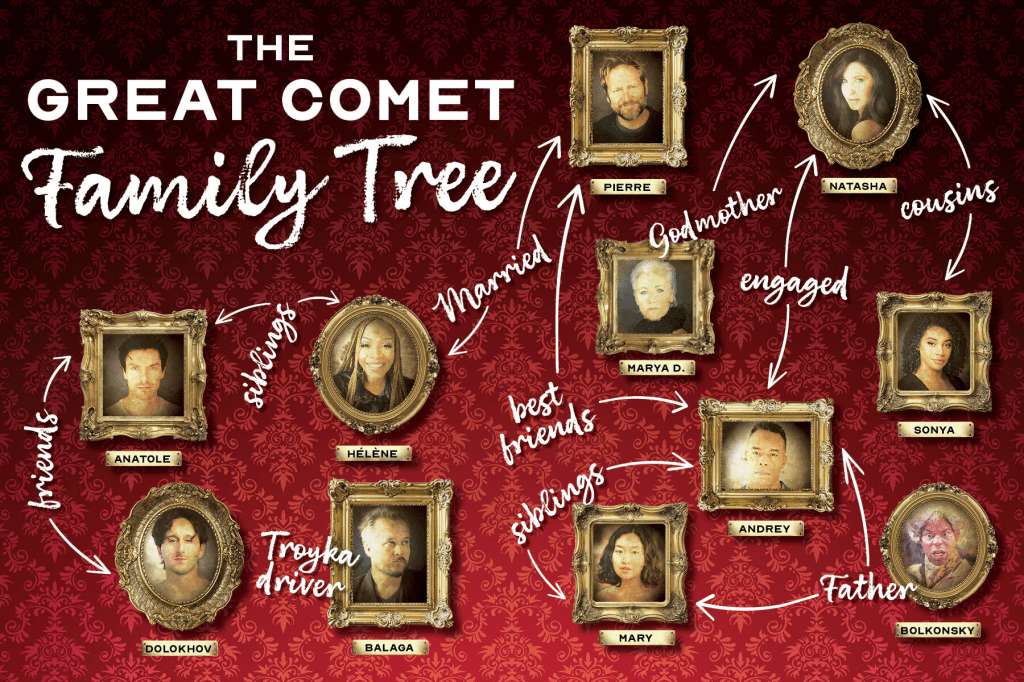
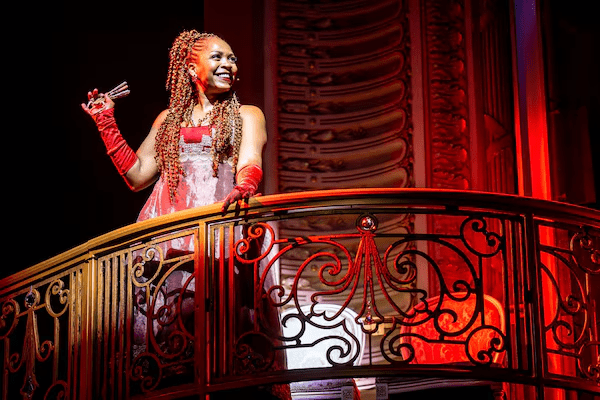
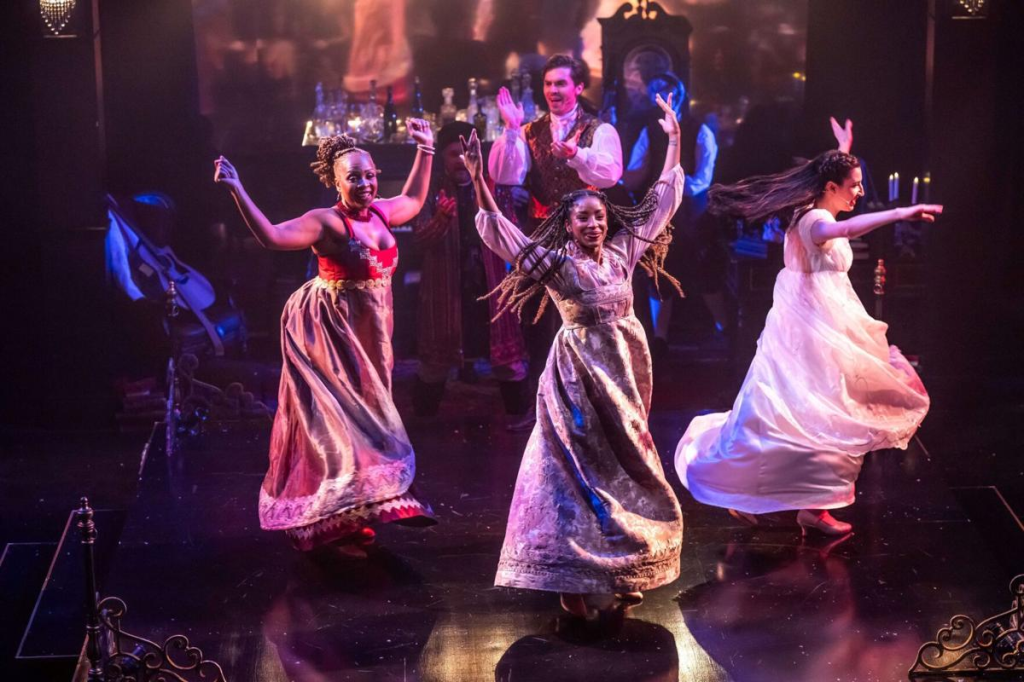
Likes: use of space (as in staging), set design, costume design, lighting choices, overall, even compared to the Crow’s Theatre off Mirvish version of The Great Comet, everyone seems more set in their roles, and therefore they have room to play with their characters more, which I appreciate. Also, I appreciate the intentional choice of making it abundantly clear Natasha Rostova is incredibly sheltered, but, as Anatole Kuragin is, and I say this lovingly, doesn’t like doing as told, understandably impulsive and a slight bit vain.
Critiques: Logically, I understand Natasha Rostova is a Leo Tolstoy protagonist and therefore bends to her society eventually, given Tolstoy, his times and place, and the context he wrote War And Peace. However, more Natasha and Hélène stage time if possible. Also, I do think Natasha Rostova and the contexts of her relationships to Hélène, Anatole, Andrei and Pierre are analytically underexplored, and, if explored at all, they undermine Hélène and Natasha as women in the narrative with autonomy. Of course, I understand it is 19th century Russia and “a free woman in an unfree society will be a monster.” (Angela Carter, The Sadeian Woman). I just wish more people would factor it into their analysis.

Spoiler review:
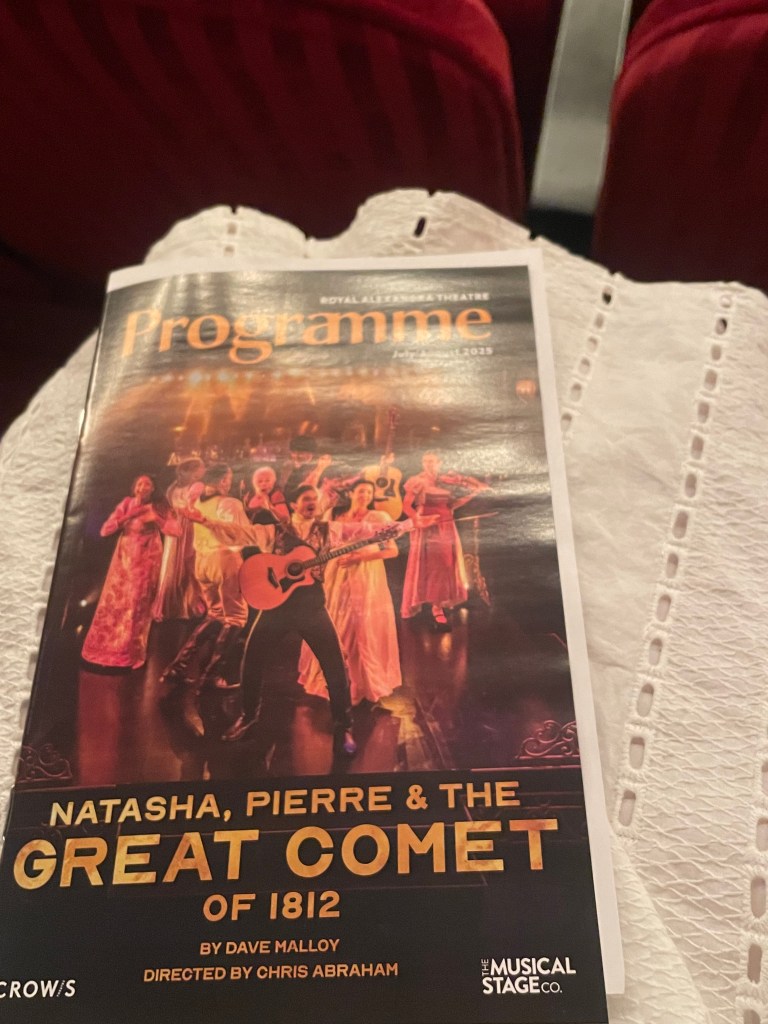
For those not in the know, Natasha, Pierre and the Great Comet of 1812 is a musical written by Dave Malloy and originally directed by Rachel Chavkin, based on Leo Tolstoy’s War And Peace, more specifically the seventy-page section of Tolstoy’s War And Peace, Volume Two: Part Five, in which Natasha Rostova learns in a rather short amount of time that she has free will though only so much as it is 19th century Russia in the Napoleonic wars, has hormones or a sex drive and is capable of wanting things outside of the path ascribed to her. Great Comet ran off Broadway from 2012 to 2015, eventually moving to Broadway’s Imperial Theatre in 2017. Due to many factors, however, Great Comet only ran 32 previews and 336 performances, closing on September 3rd, 2017. Comets, however, have a tendency to loop back around, as do stories such as Leo Tolstoy’s War And Peace.
As a note of reference, Leo Tolstoy initially planned what we now know as War And Peace in reaction to the Decembrists’ attempted revolt against the Tsar in 1825, meaning it is in context somewhat reactionary. More interesting to me however, is that neither Leo Tolstoy nor Dave Malloy treats the characters as if they are anything other than fallible, flawed humans, as capable of immense harm or evil, as they are capable of loving and doing good. Of course, even in the context of Leo Tolstoy’s times, even amongst the broader Russian literary classics, Tolstoy is still a reactionary misogynist. The only ‘harm’ the Kuragins really do is be ‘promiscuous,’ ‘impulsive,’ and lie by omission. Similar to how Natasha often seems they assumes the best outcome, especially Anatole, or simply disregard any negative consequences, as Hélène should, to be fair to her, if that is all one knows. Really, I believe that War And Peace as a story and by proxy Great Comet sticks with us today because it exposes the logical fallacy of that deemed exceptional and as Natasha, Pierre and the Great Comet of 1812 makes very clear, intimidating though it may be, as open to interpretation, adaptation, and interrogation as all other art, theatre, literary or otherwise.


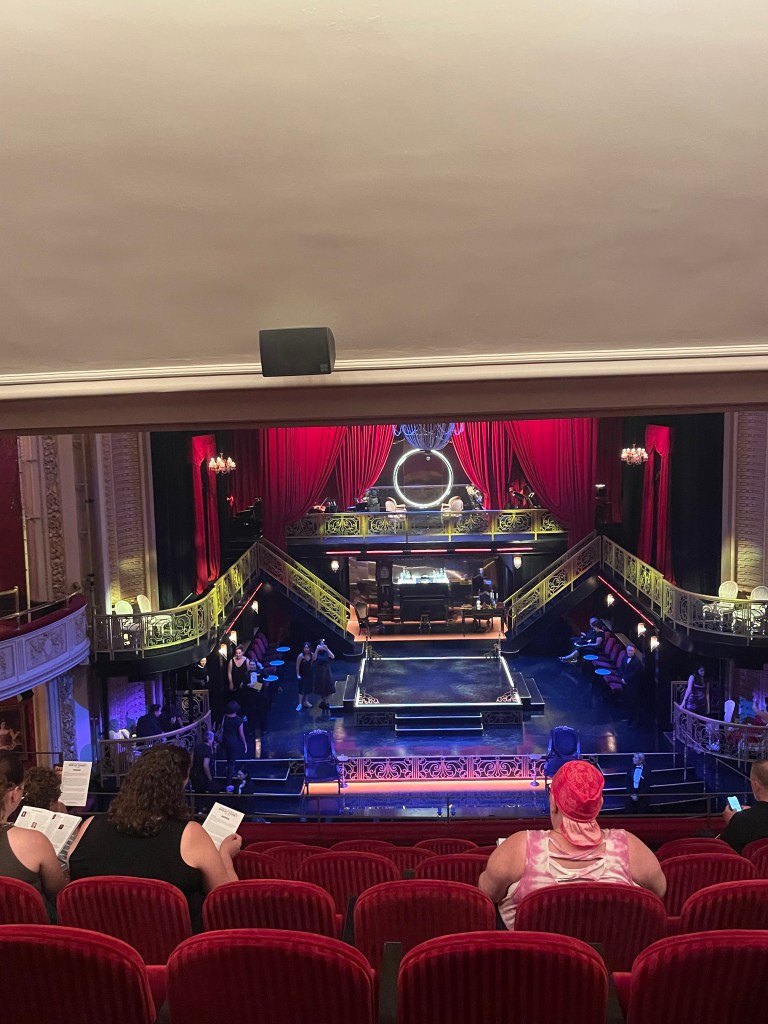
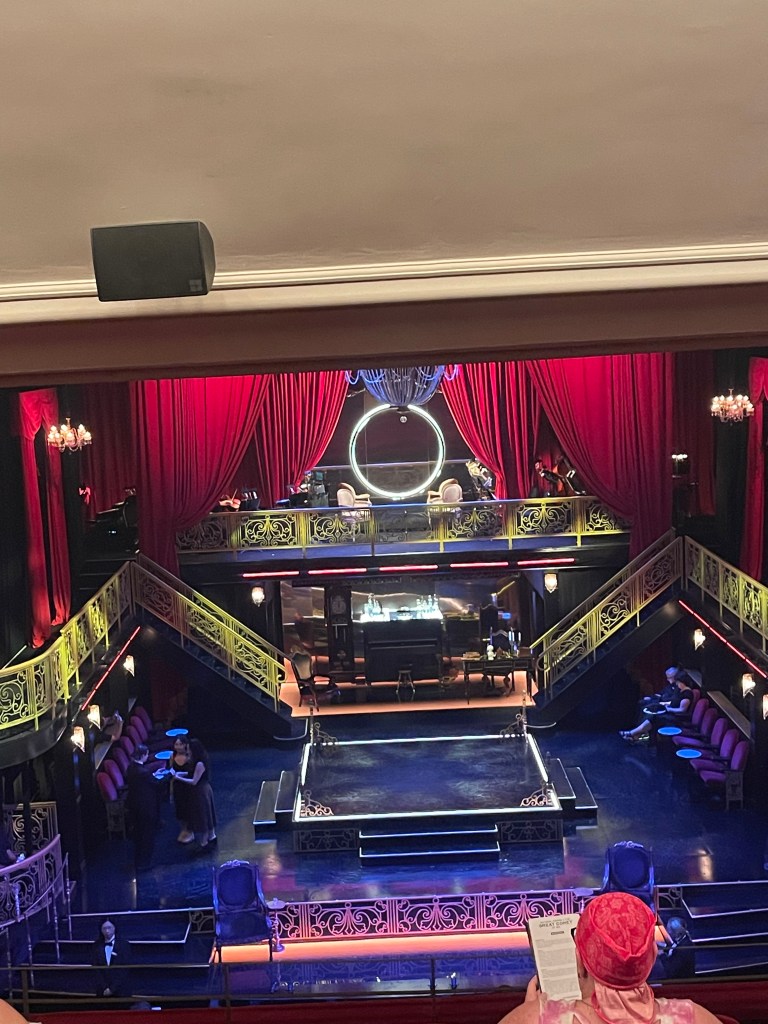
“We are asleep until we fall in love.” – Leo Tolstoy (1869)

Leave a comment