


I myself am strange and unusual. – Lydia Deetz
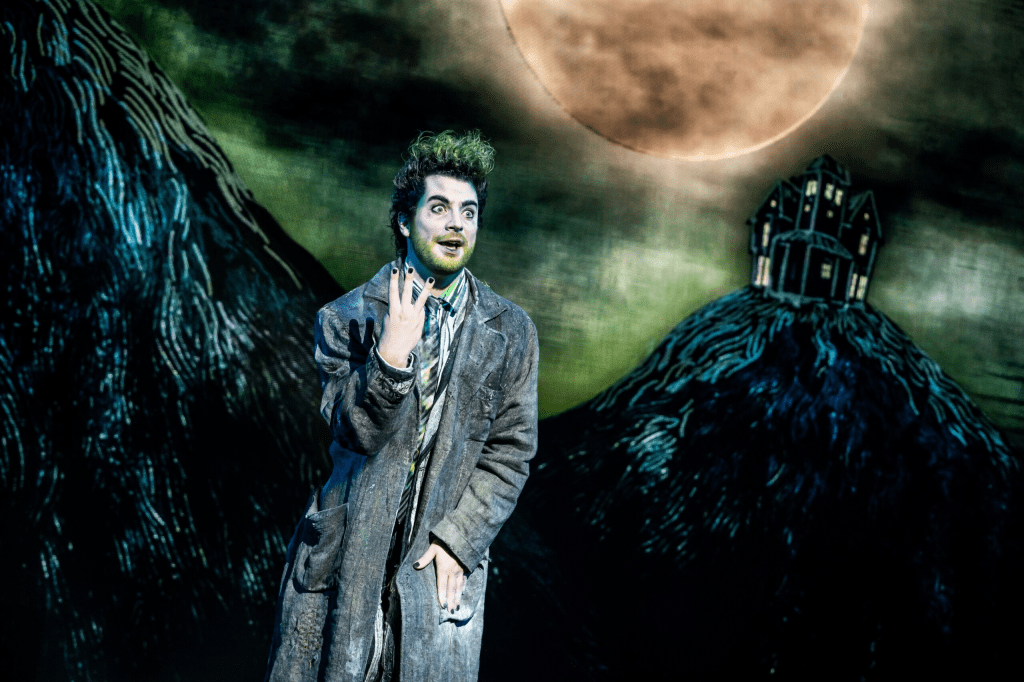
Spoiler-free review:
Rating out of 10: 9 and ½
Likes: staging, costumes, special effects, the cast and their acting choices, in many cases breaking the fourth wall in live theatre, musical theatre especially simply does not work, but the stage show Beetlejuice did it with ease, despite the audience’s assumed suspension of disbelief. Overall, an improvement on its source material, Beetlejuice (1988, directed by Tim Burton), in every possible way, whilst still leaving in the parts of the film that make it feel coherent and in the same universe narratively.
Critiques: Pacing, but besides that, I have no major criticisms. Well-constructed stories need conflict, and even if the Deetz universe after life is goofy and horrifying at the same time, the musical never feels rushed compared to the original movie. I sometimes felt it was just a bit slow getting to its conflict.
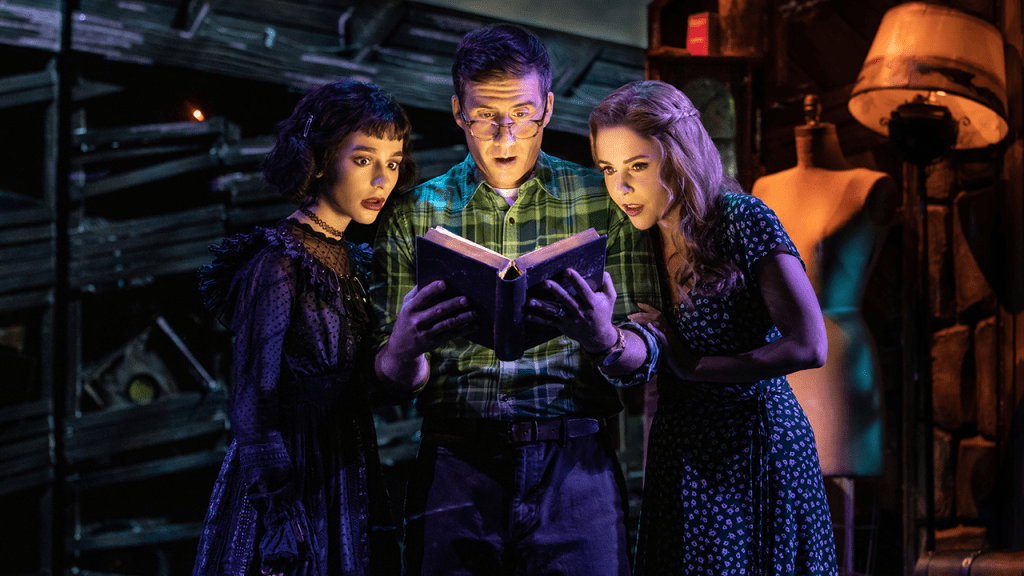
Spoiler review:
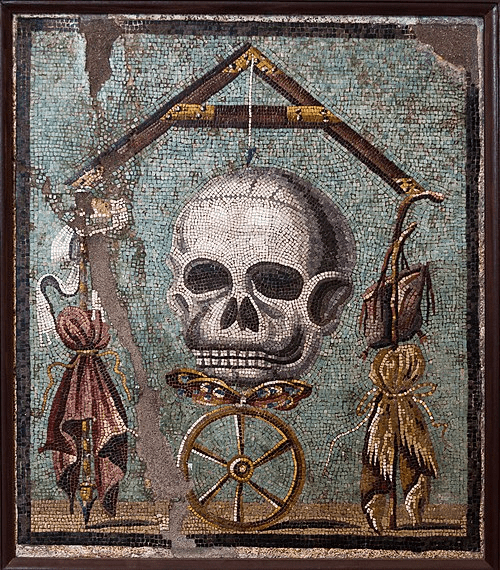
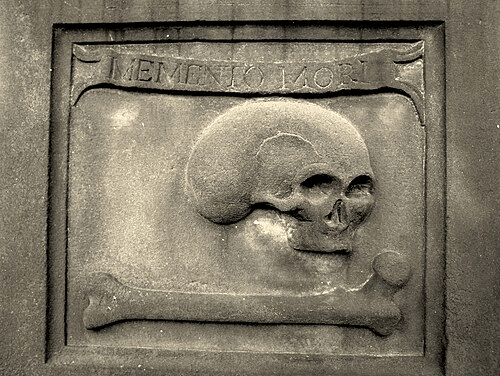
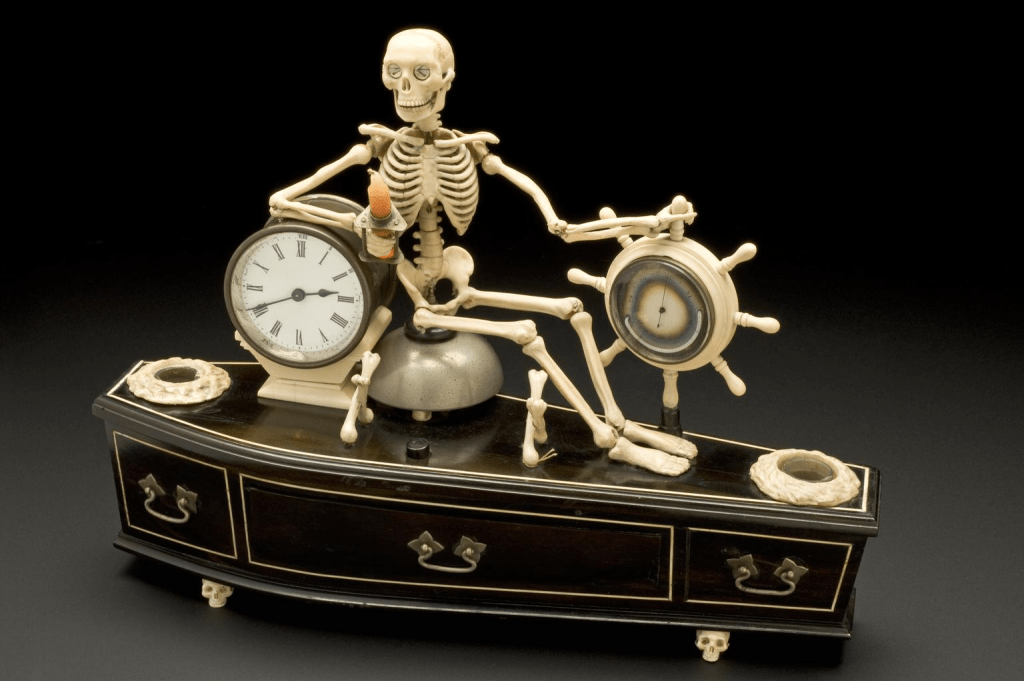
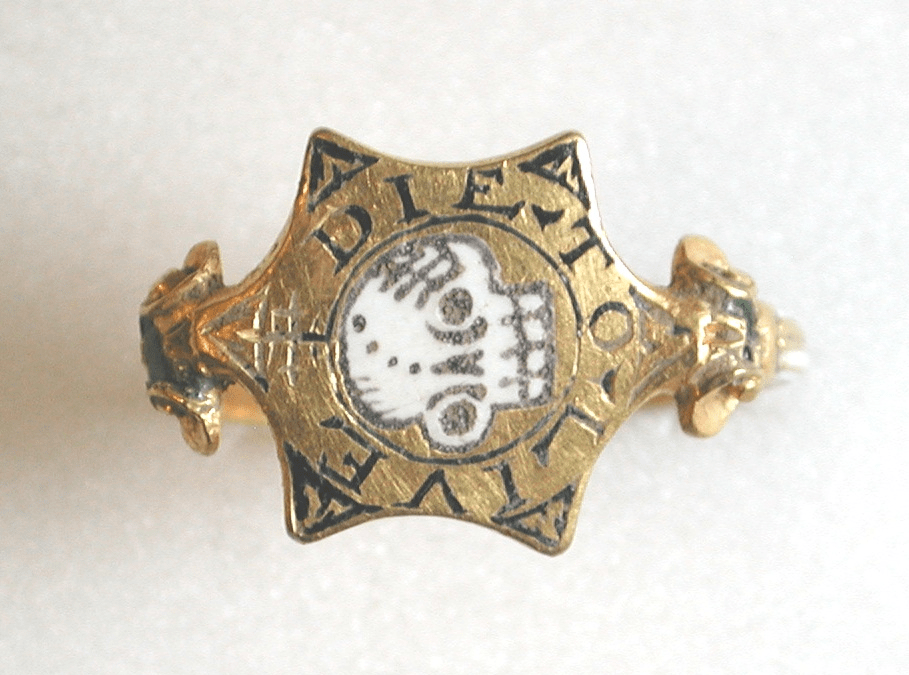
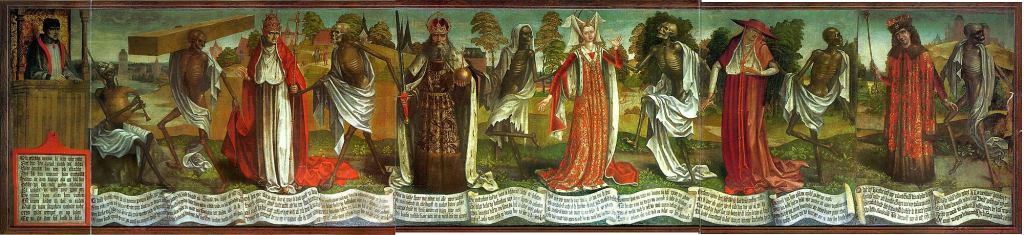
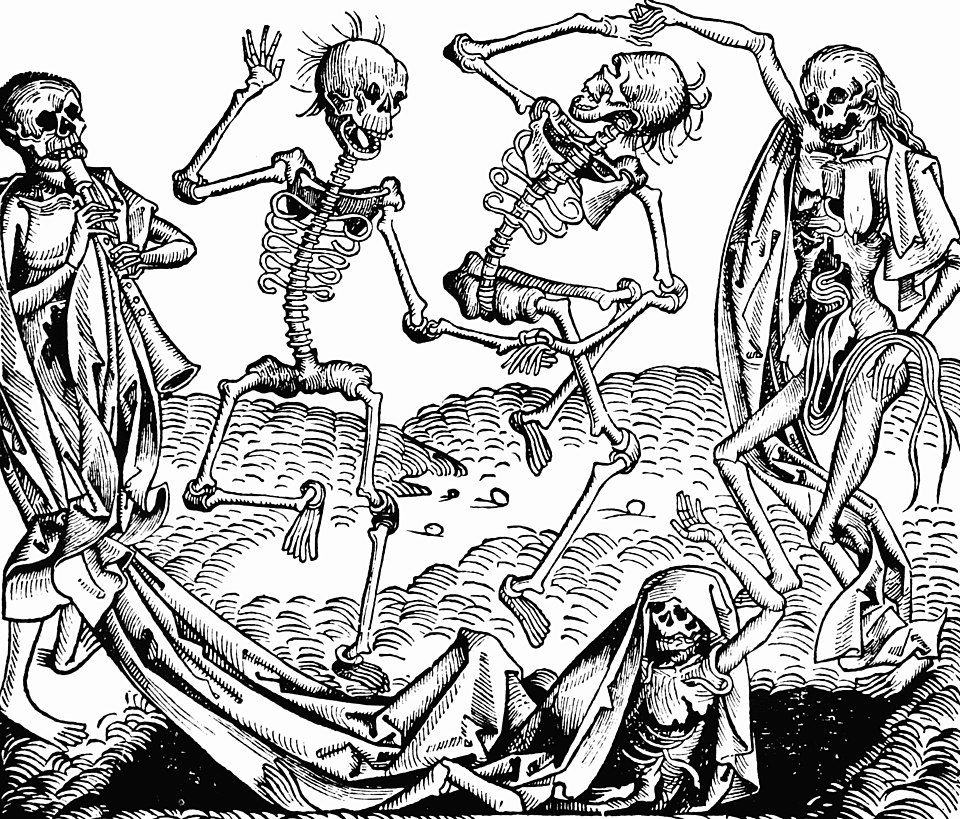
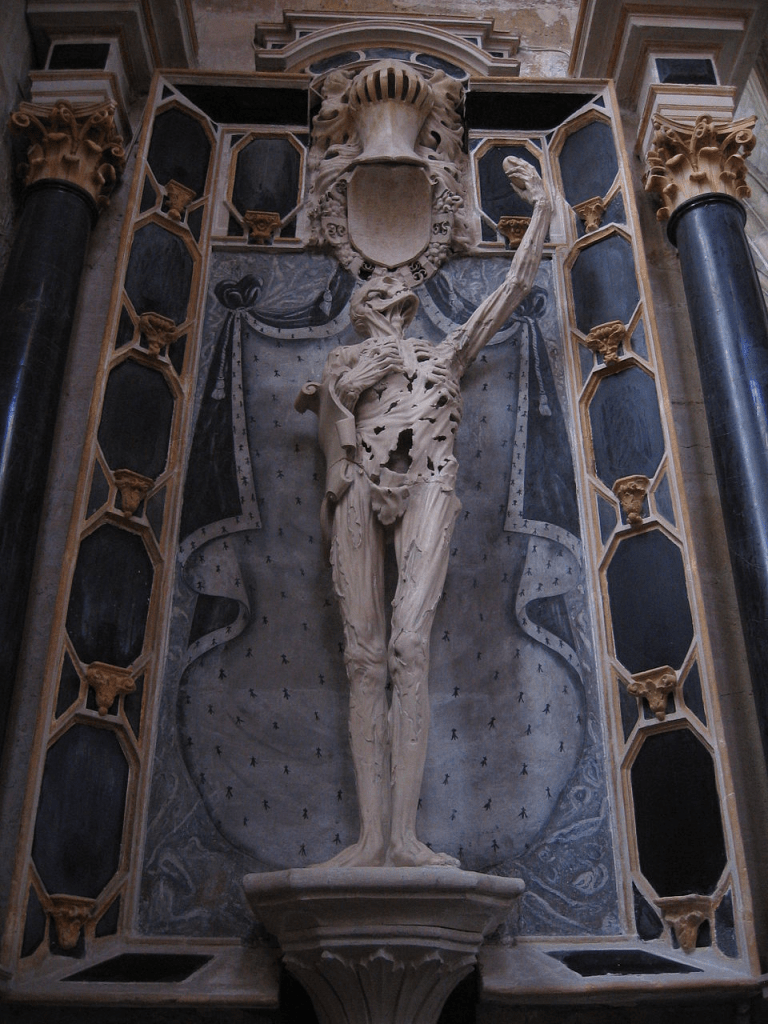
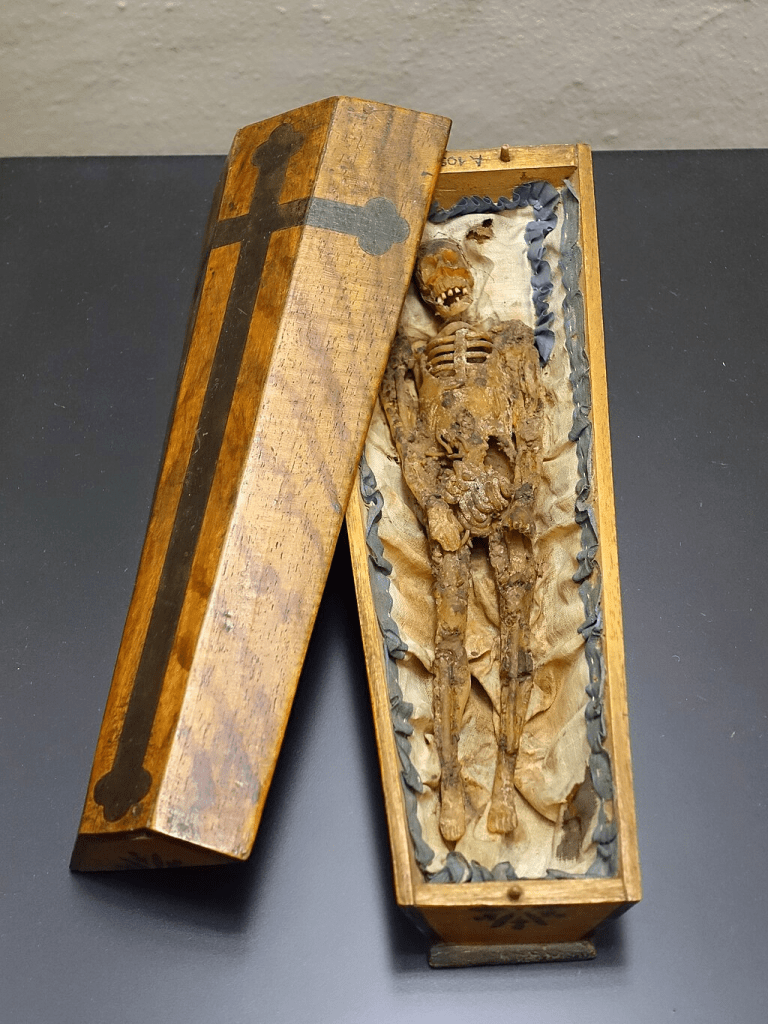
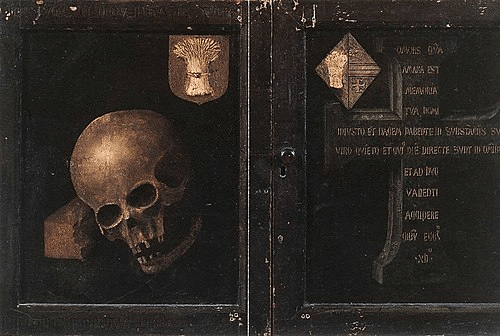
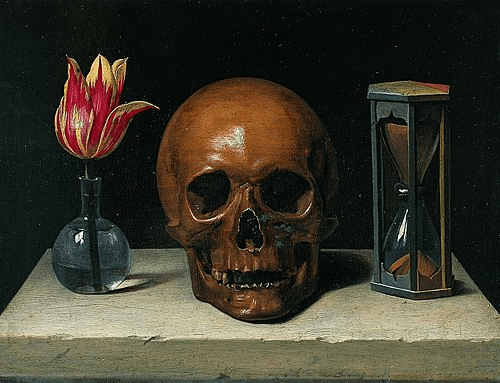
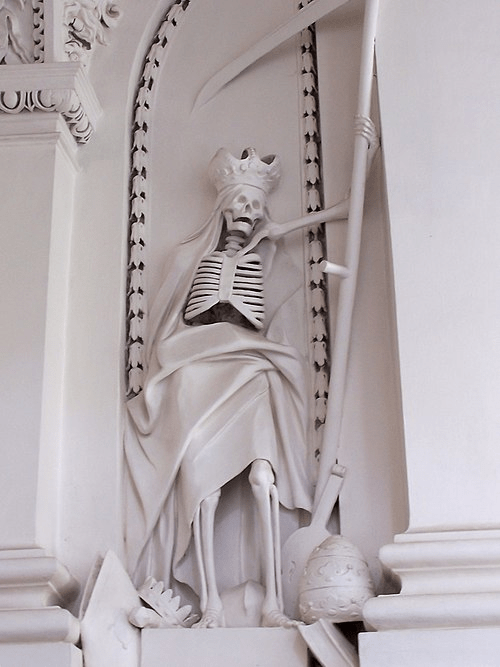
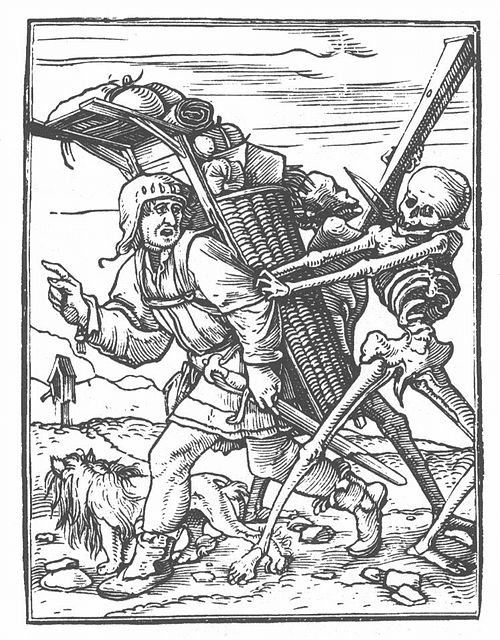
It is a truth well understood by humans since as long as we could connect as humans, that death is inevitable and comes for us all, in Latin it is ‘memento mori’, literally translated: ‘you must remember you die’ or rather, ‘remember death.’ To the Ancient Romans it was a dancing mosaic skull reminding you to not be vain or overly prideful… death is invetiable in the Middle Ages (roughly a 1,000 years of history), but especially during the bubonic plague it was represented by the Danse Macabre (yes the one that inspired the French composer and pianist Camille Saint-Saëns) artistically an image of death among the living calling indiviuals of all social classes, ethnicities, and other backgrounds, to the grave in a dance with death which is life and a reminder of the universality of dying. In the late Middle Ages it was a transi or a cadaver monument, which is a funerary monument which depicts a skeleton, a decomposing cadaver, or a recently deceased emaciated person with their eyes closed in the early stages of decay most common in France, though not unheard of in England, Ireland, Scotland, Italy, and elsewhere in continental Europe. They often went hand in hand with the architecture of Gothic Cathedrals such as Laon and Notre Dame de Paris, predating the French Revolution. All in all, it is safe to say humans have grappled with this inevitably many different ways, artistically and otherwise. So, I find it very reasonable to ask how one would explain the universality of death to a child. I think Beetlejuice the musical, as Beetlejuice the film (1988) answers this very well. As honestly and humorously as possible, with lots of singing and dancing.
Beetlejuice is a 1988 movie directed by Tim Burton. It is an American Gothic dark comedy fantasy with horror elements. It was groundbreaking in the 1980s as it made gothic and discussing the subject of death, dying and grief accessible to younger generations, and a decade before the moral panic related to the satanic panic made goths, like Lydia Deetz, less scary and ‘other.’ The lesson of Beetlejuice, the demon bio-exorcist character whom the film and musical are named for, is that we should not fight change, least of all the inevitable kind (ie death) that we will not win over, as well as to live in the now, as we all will inevitably die. Beetlejuice the musical (2016) is a musical based on Beetlejuice (1988) revolving around the same characters and themes, with lyrics and music by Eddie Perfect and script-book by Scott Brown and Anthony King. Whilst Beetlejuice: the film was met with largely positive reception, the 2016 Broadway musical was met with mixed reviews from critics and was, in 2020, one of the victims of the Covid-19 broadway shut-down. Ironically, or perhaps poetically. However, despite or perhaps because of its camp-ness and lack of fear in discussing that which is deemed controversial, including death, dying, marriage, sex and sexuality, and American capitalism, it was resurrected and is now on a 2024-2025 North American tour.
Although Tim Burton said he initially wanted to make Beetlejuice more graphic and dark in tone, I, whilst am no prude, can appreciate that he opted against it and that the musical keeps this tongue-in-cheek tone, even making the film even more apparent. The show opens with a prologue, the funeral of Emily Deetz, Lydia’s recently deceased mother and Charles Deetz’s dead wife. Lydia sings about her grief, feeling invisible and lost without her mom, only for Beetlejuice, the bio-exorcist demon, leads us then into the “Whole ‘being dead’ Thing” which is deeply tongue-in-cheek yet also incredibly earnest in its intentions at the same time. There have been books and college theses written about the connection between eroticism, death, and the gothic, from Mary Shelley, Jewelle Gomez, Anne Rice and Angela Carter. Beetlejuice in the musical is a bio-excorcist demon, yes, but he is also an in-text lonely, ostracized bisexual and also an embodiment of the way patriarchy hurts men as well. All in all, I thoroughly enjoyed this musical and Beetlejuice the musical illustrates rather directly how that which is deemed controversial is important and not just that, but how art can be used to grapple with the uncomfortable and that which is deemed improper.
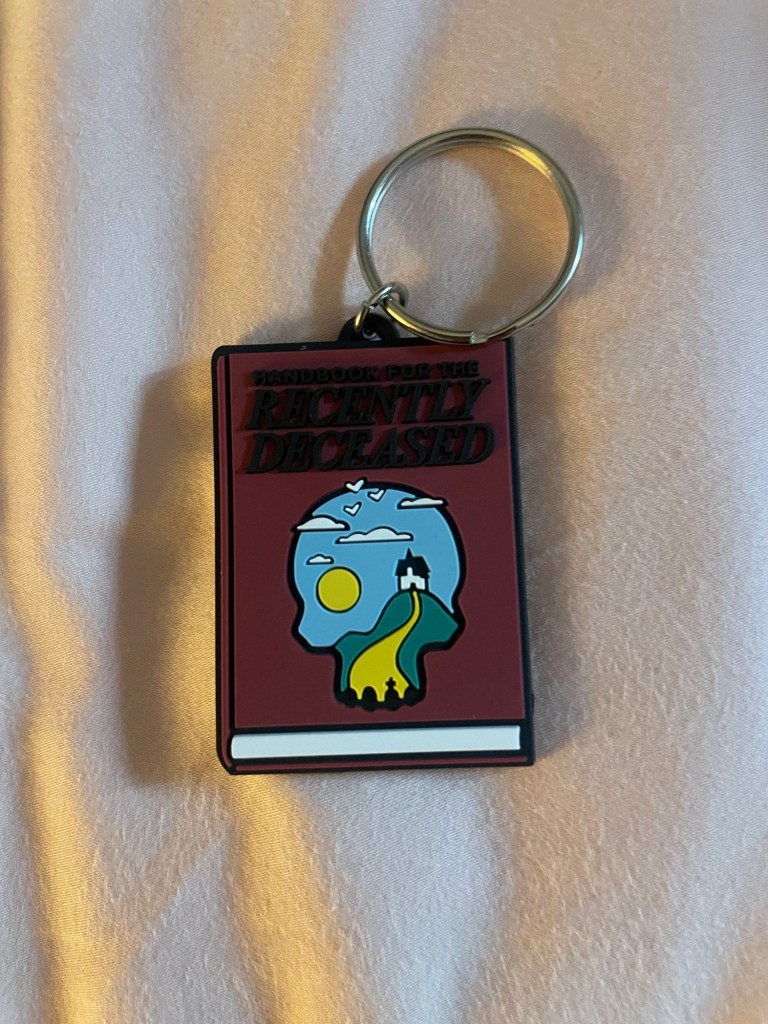

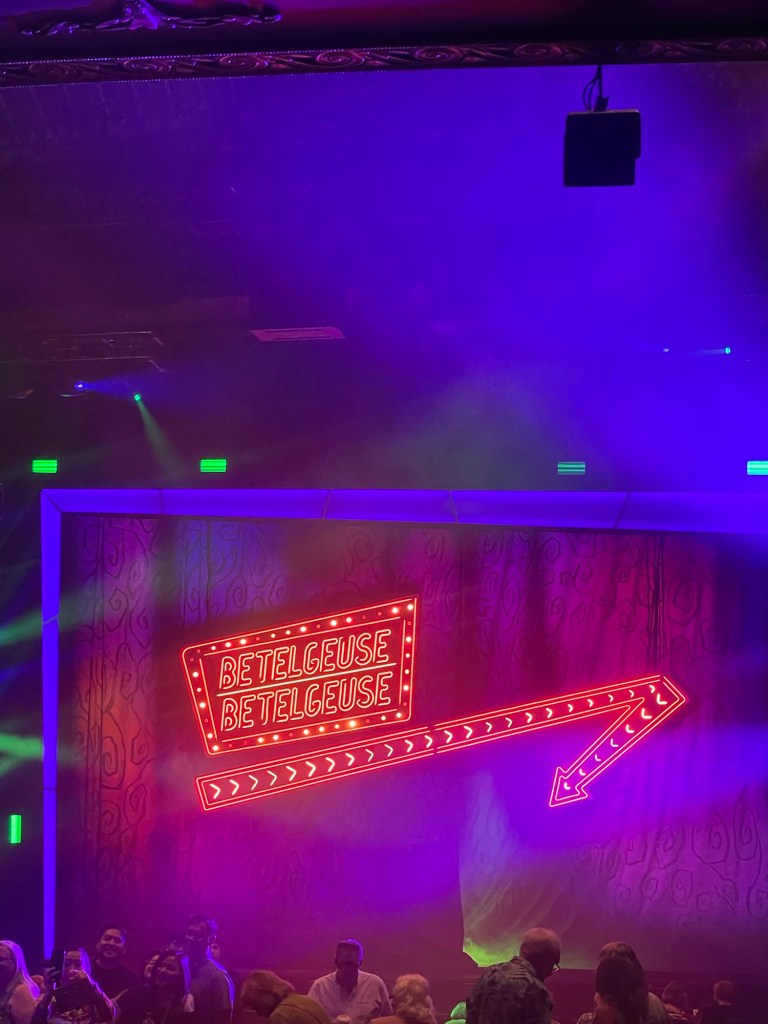
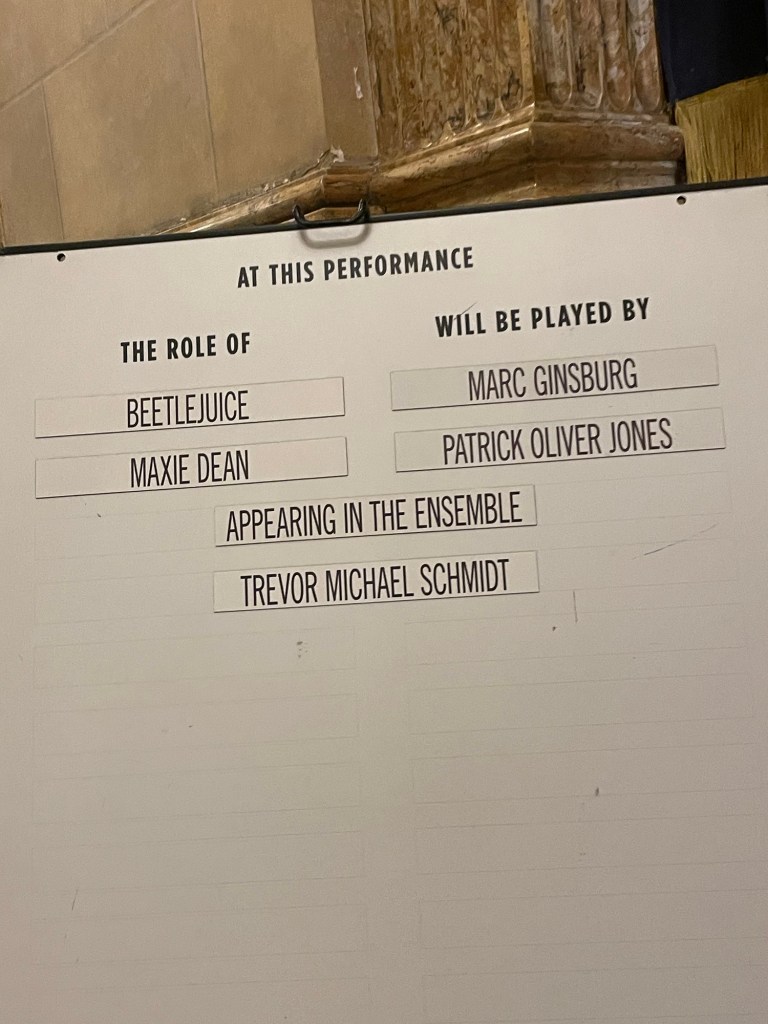
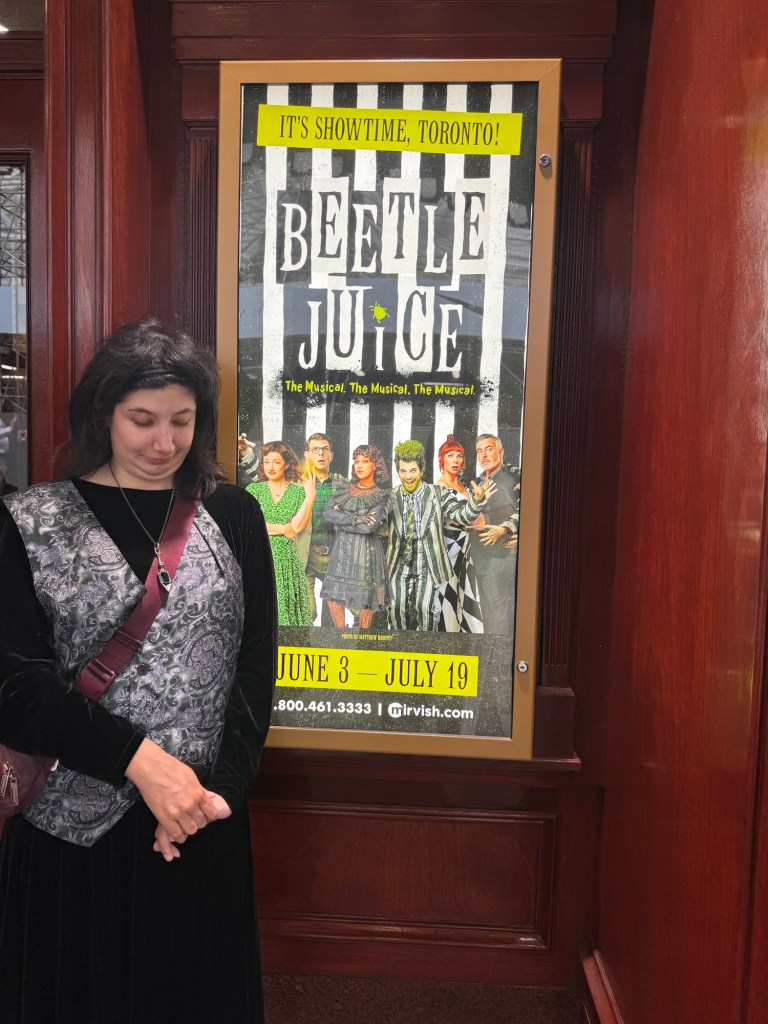
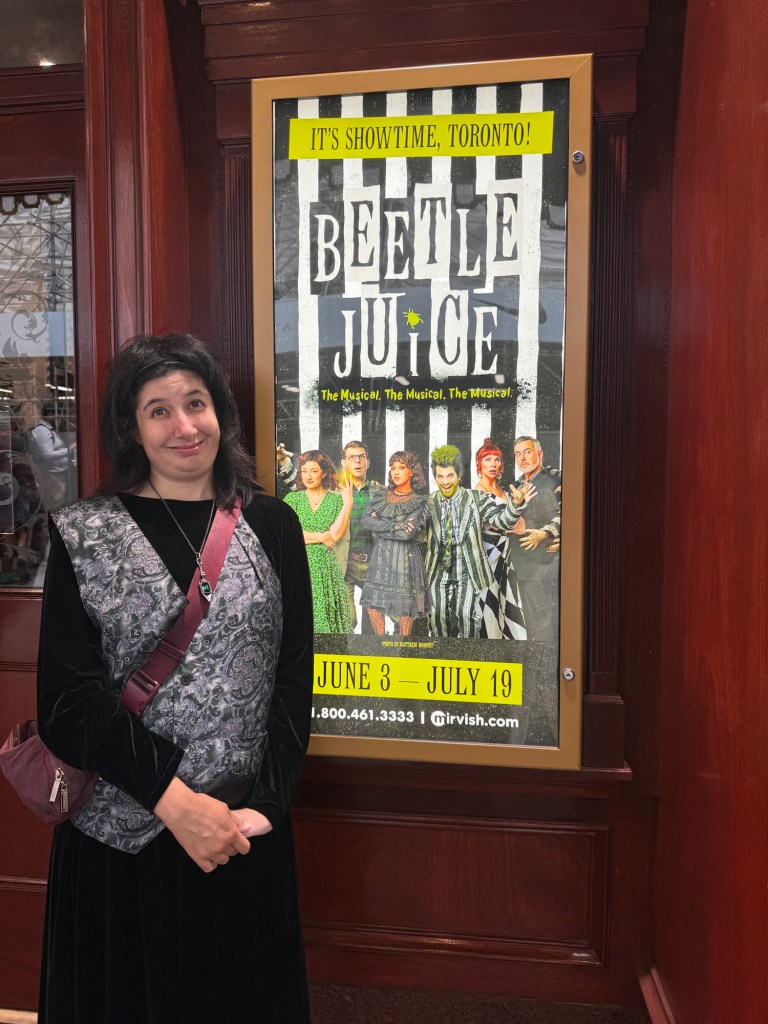
From the cradle to cremation, death just needs a little conversation. I have mastered the art of tearing convention apart. So, how about we all make a start, on the whole, “being dead” thing. – Beetlejuice

Leave a comment