


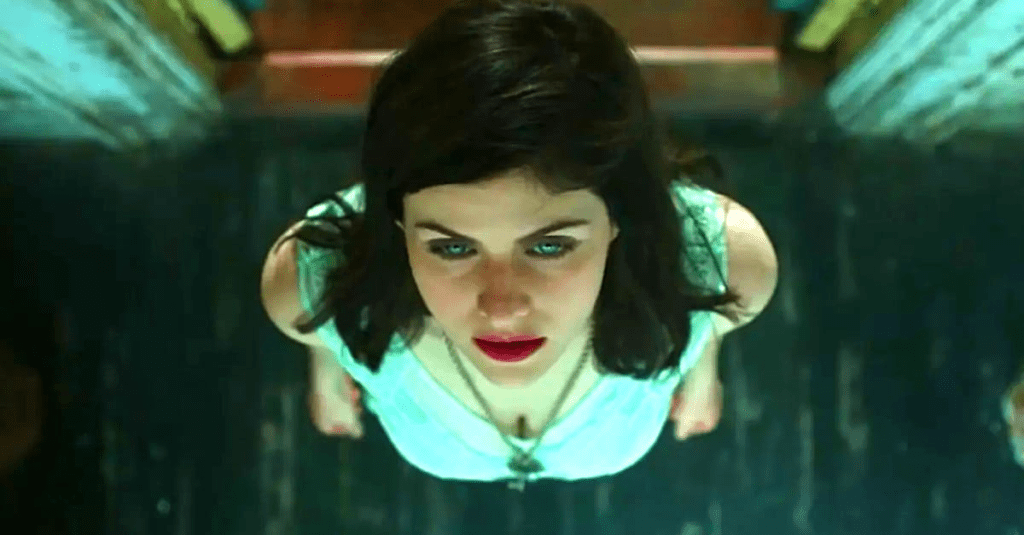
“Give me a man or woman who has read a thousand books and you give me an interesting companion. Give me a man or woman who has read perhaps three and you give me a very dangerous enemy indeed.” – The Witching Hour, Anne Rice (The Lives of the Mayfair Witches) 1990
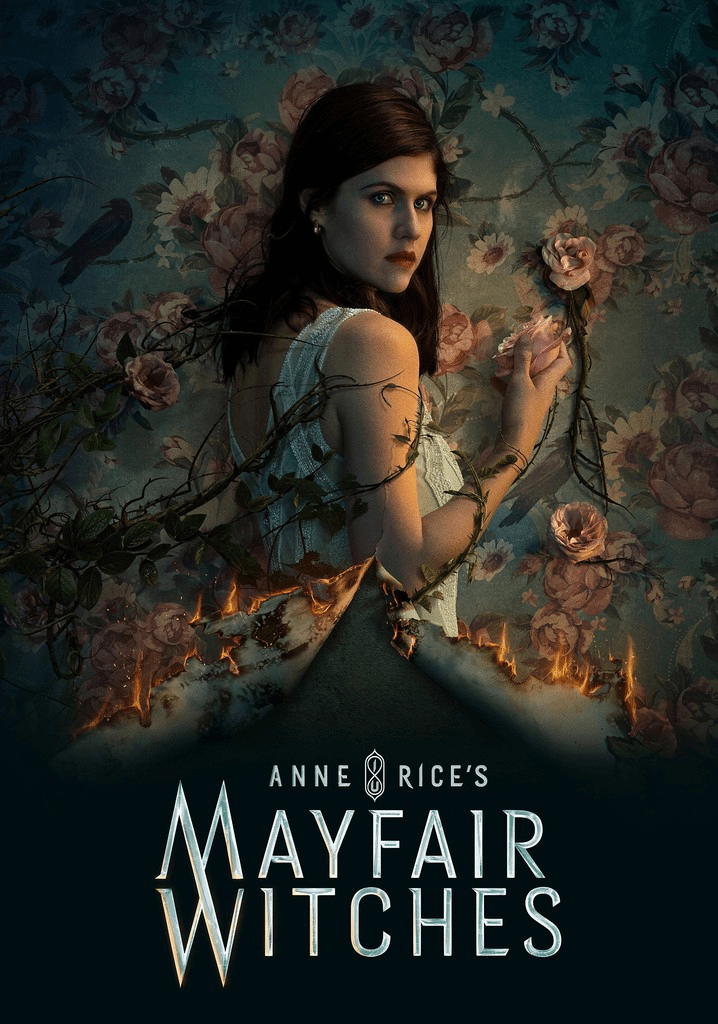
Spoiler-free review:
Rating out of 10: 4
Likes: The actors are still very much giving it their all, the writing has some interesting concepts in the first half, and some of the SFX are good, it simply lacks follow-through.
Critiques: I can appreciate adaptational changes if they are done well and with purpose (Interview with the Vampire 1994 directed by Neil Jordan, The Company of Wolves 1985 directed by Neil Jordan an adaptation of The Bloody Chamber by Angela Carter, and in my subjective opinion AMC’s Interview With The Vampire 2022 — present, seasons 1 and 2 though I preferred the second season more). This both failed at understanding its source material and as an adaptation, it had some interesting ideas though.
Spoiler review:
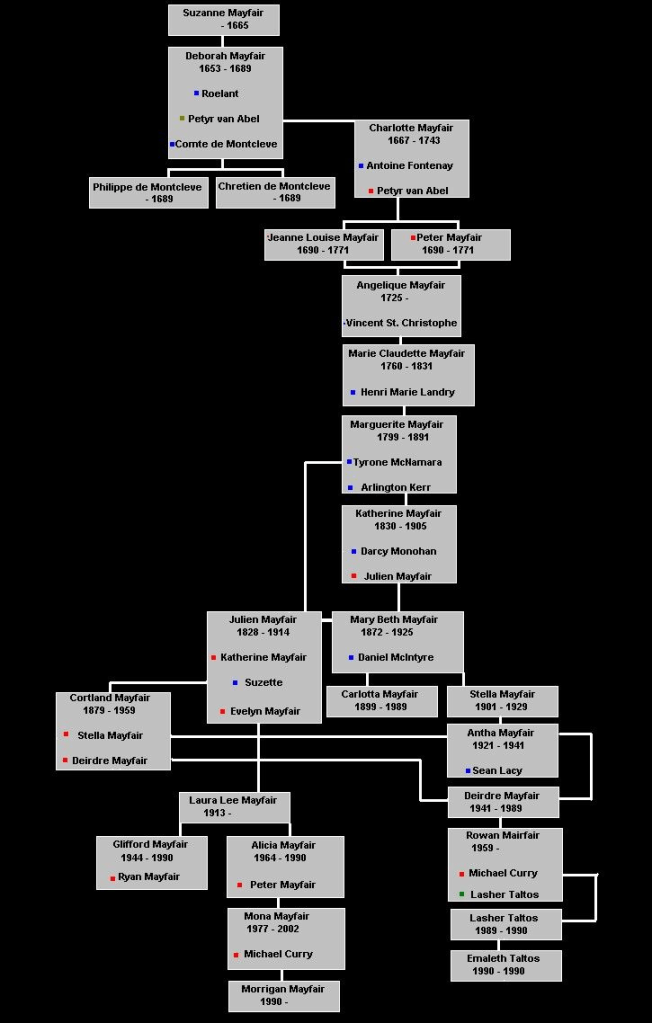
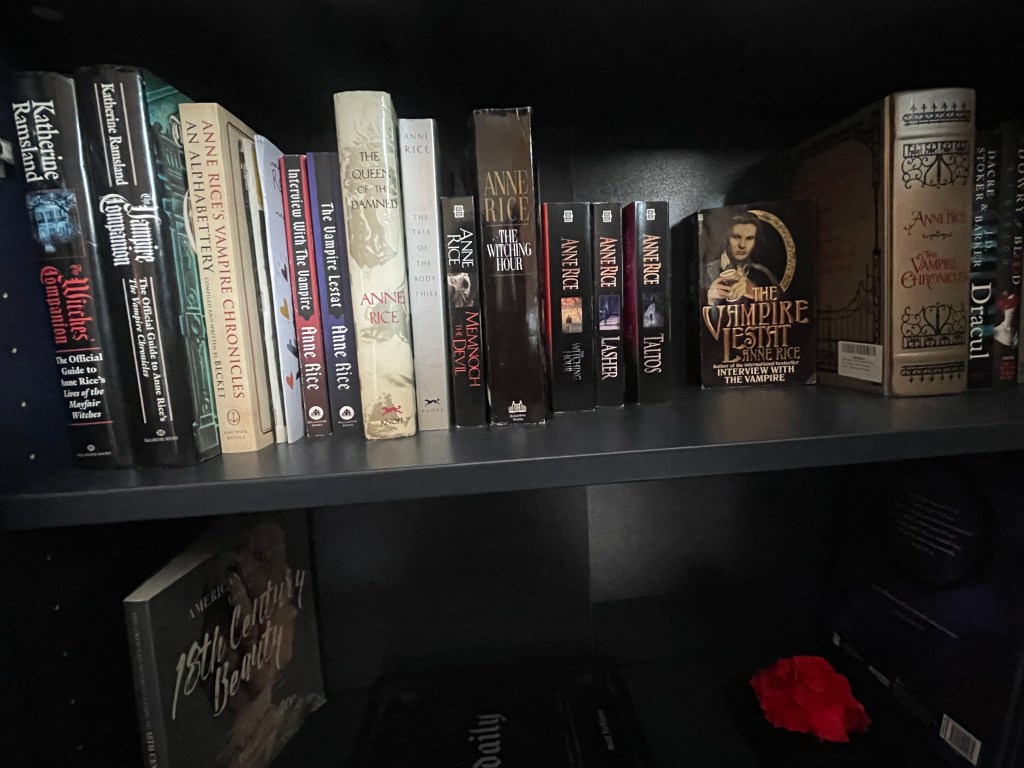
With as few spoilers as possible, because I do earnestly recommend The Lives of the Mayfair Witches and The Vampire Chronicles by Anne Rice, despite what people riding the wave of cultural anti-intellectualism and people with no gothic genre literacy claim, the vast majority of these books are well written. Absolutely none of Anne Rice’s characters hold any moral high ground, not even Anne Rice’s (and mine) special golden-haired bi-disaster vampire Lestat de Lioncourt. The Lives of The Mayfair Witches (novels) is a Southern Gothic horror about generational trauma, necrophilia, cycles of abuse, male violence against women, subtly but the nonetheless omnipresent the horrors of capitalism and European or North American slavery and the moral issue of looking down on others and dehumanizing people for one’s own ends. Rowan Mayfair a blonde androgynous Doctor who is the thirteenth of the Mayfair line and in many ways a parallel to Lestat de Lioncourt with messy yet understandable emotional trauma, moral slipping and all. Rowan’s abuse in the first book The Witching Hour did not start with a connection to a family she didn’t know about, the Mayfair but with her foster father abusing her and worse than just abuse being implied strongly between the lines.
I adore Jack Huston as an actor and Alexandra Daddario and yes, AMC’s Interview With The Vampire made adaptational choices not all of which I agree with but it broadly understood the themes of the material it was adapting and Jacob Anderson, Sam Reid, Assad Zaman, Joseph Potter and more clearly have the energy of the characters they are portraying even if the context is changed by adaptation. Lasher is not innocent, there are innocent Taltos in the novels but Lasher is not one. The moral decay in the Mayfair family was always there, Lasher just makes it more apparent to the reader. Not only is ‘morally upstanding’ representation in fiction boring, at least to me, Anne Rice knew she was writing horror, Julien Mayfair who I love as a fictional character but has no excuse in real life perpetrates so many horrors on so many not just the women in his family, Micheal Curry who is absent from the show and who Anne Rice put a surprising amount of herself into much like Rowan his wife, means well at first, but Lasher and all related events expose his moral decay as well. Mona Mayfair who is Moira in the show is perhaps the most book to screen similar characters. Mona unlike the others is free of Lasher because he is scared of her, but she still does plenty of things that would not be excusable in real life, book Mona is also smarter than most of the characters she comes into contact with save the Talamasca, I understand many do not love Mona Mayfair as a character because her manner of speech is not as interesting as the others but she, like Micheal, Rowan and Lasher as imagined by Anne Rice exists in the story for a reason. I would like to think it is simply a lack of reading comprehension on the showrunners’ part, but I also think a larger issue at play here is the uptick in anti-intellectualism and thought policing in spaces like fandom and publishing. I have no good or easy solution to this off the top of my head, for the moment I can only offer we have to identify and fight censorship, support subversive and controversial works of media, especially novels and support fictional women’s rights and wrongs.



Leave a comment