


Part 1: She looked as beautiful as if she had been dead.
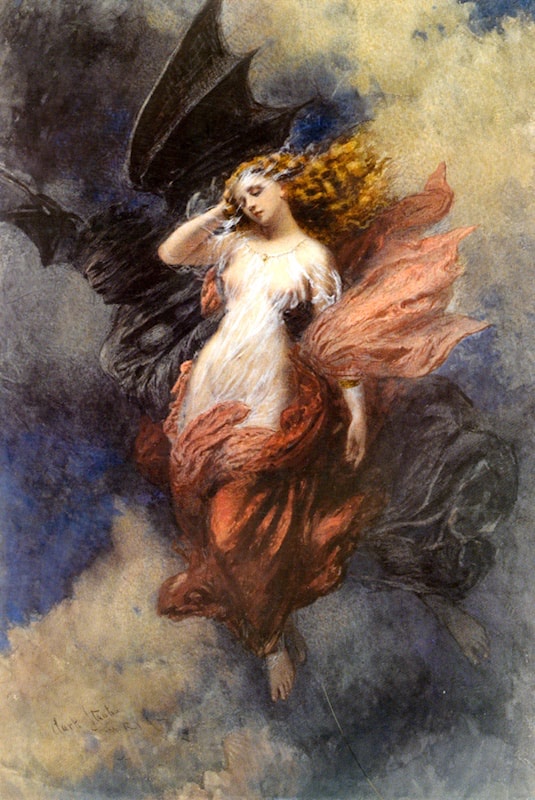
In the simplest terms “Death and the maiden” is a common renaissance art motif, that of a young woman or “the maiden” and a personification of death.
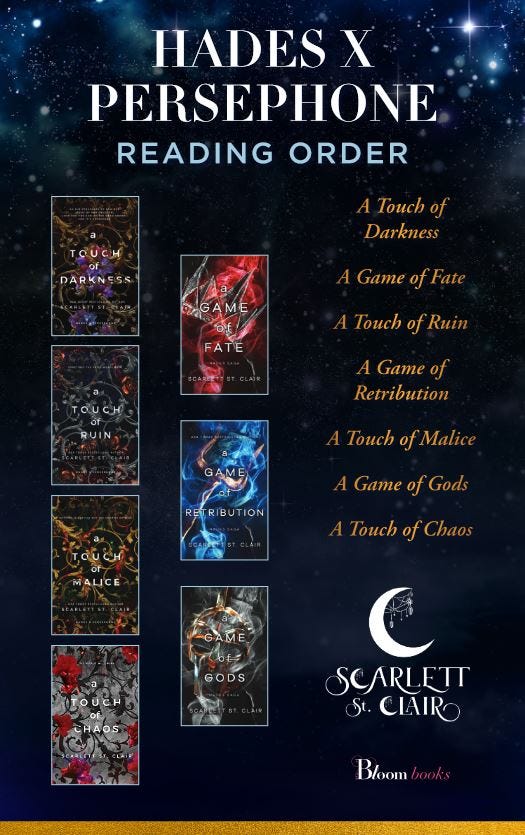
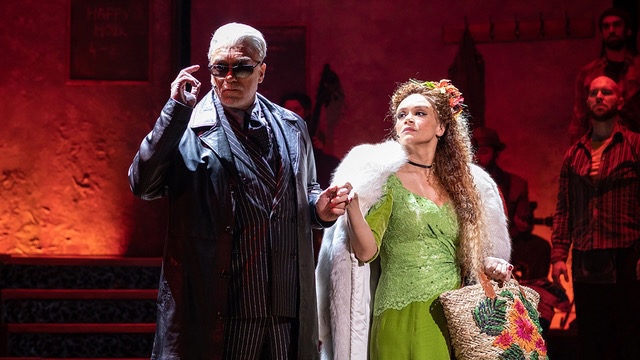
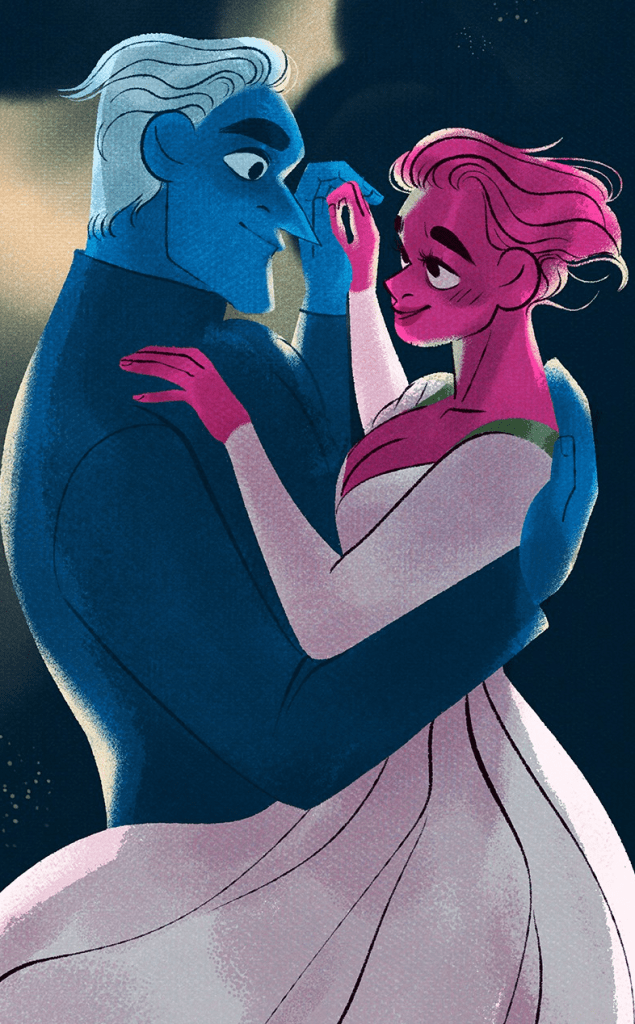
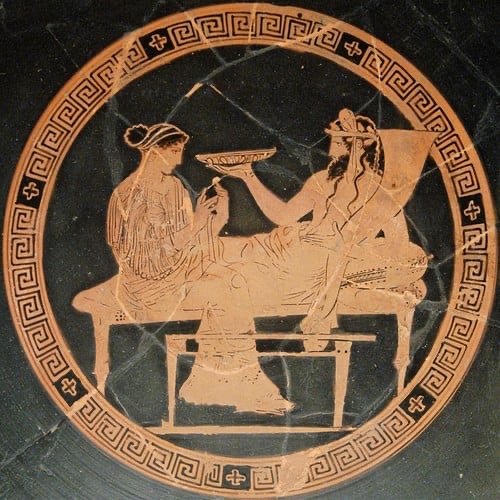
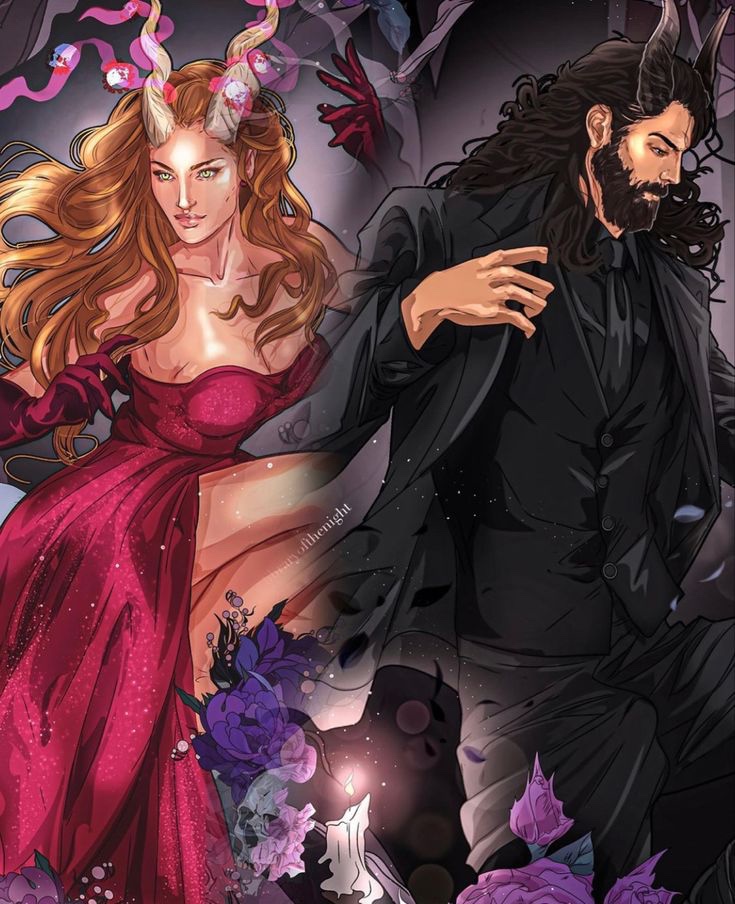
One of the earliest pre-Christian examples of death and the maiden is Hades and Persephone. Made popular in the present by Anäis Mitchell’s Hadestown, Smythe’s Lore Olympus, Scarlet St. Clair’s A Touch of Darkness series and more, the adaptation of these two varies wildly. According to Homer, it was a kidnapping (mind you at the time this was a common martial tradition) but it is still.. irksome to many modern readers. Yet still, many adaptations have Persephone go with Hades willingly. How canon this is remains is still hotly debated by Greek classical historians and scholars but can we blame Persephone? Hades in every worthwhile adaptation will do all he can for his wife, Persephone also receives power and wealth incomprehensible to humans as Queen of the underworld and Dread Persephone, sometimes being more feared than her husband. Hades, likewise has been granted more complexity in these adaptations and is often a dark handsome stranger called death. Though, it is worthwhile to know, Hades isn’t death himself that is Thanatos but Hades is, in a way, as his status as King of the underworld dictates a way to test our response to the concept and characterization of death. But what about death as a hideous beast? Perhaps a macabre but seductive lover? Not good enough? Alright, how about death as a musical genius? Well, that brings us to Phantom of the Opera and its myriad of adaptations.
Part 2: the music of the night.
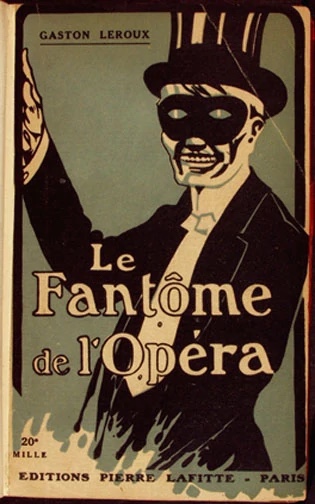
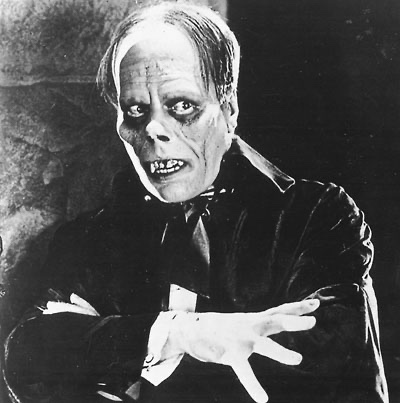
Phantom of the Opera, a 1910 novel by Gaston Leroux, is written as a typical mystery novel. Set in the 1880s against the backdrop of the Palais Ganier one would imagine it’d be beautiful, not grotesque. But, there is a haunting opera ghost about and he is murdering people. If you’re looking for a book that has murders, bad men and gothic horror and a luxurious backdrop this is the story for you. The first adaptation of Phantom of the Opera was a 1925 silent movie starring Lan Chaney as a most hideous but fascinating Phantom. So when did this become a romance? Well, it wasn’t in the novel, Christine only runs to Raoul as an escape and agrees to Erik under duress, the kiss, a scrap of kindness is enough to break the ingenious monster. Certainly it wasn’t in the 1925 version. The most clear answer is an Italian erotic adjacent film by the director Dario Argenti in which Erik is more internally ugly than outwardly ugly and he and Christine are explicit lovers. This version of Phantom of the Opera wouldn’t take off until the Andrew Lloyd Webber musical (1987 – 2023 on broadway) that popularized and gothic romanced this trope.
Phantom of the Opera premiered October 9th 1986 at Her Majesty Theatre; London. It was a smash hit on the West End and moved to Broadway in 1988, it ran until April 2023. It celebrated its 10,000th performance on February 11th, 2012 making it the longest running Broadway show in history, with WICKED in second place. It played its final Broadway performance on April 16th, 2023. So why was it so impactful? Well, I think it comes down to a few things. People love romance, people love gothic toxicity and the scores, set, and special effects are epic. Now, I have never seen Phantom of the Opera live, but it stands to note that we humans have a morbid obsession with the macabre and monstrous and we love a good love story. The musical is grand, gothic and most definitely a love story as it pulls a love triangle between Christine, Raoul and the Phantom in which both men painfully pine for her. In the end, Christine, like her book counterpart chooses Raoul, the safe bet, but really who would not be fascinated by Erik? As with Hades he is willing to do anything and everything for you, he is a musical genius and there is an odd morbid fascination people seem to have with death, dying and the macabre and grotesque. Like Hades, the way we react to Erik can tell us how we react to other death imagery and perhaps our own mortality.
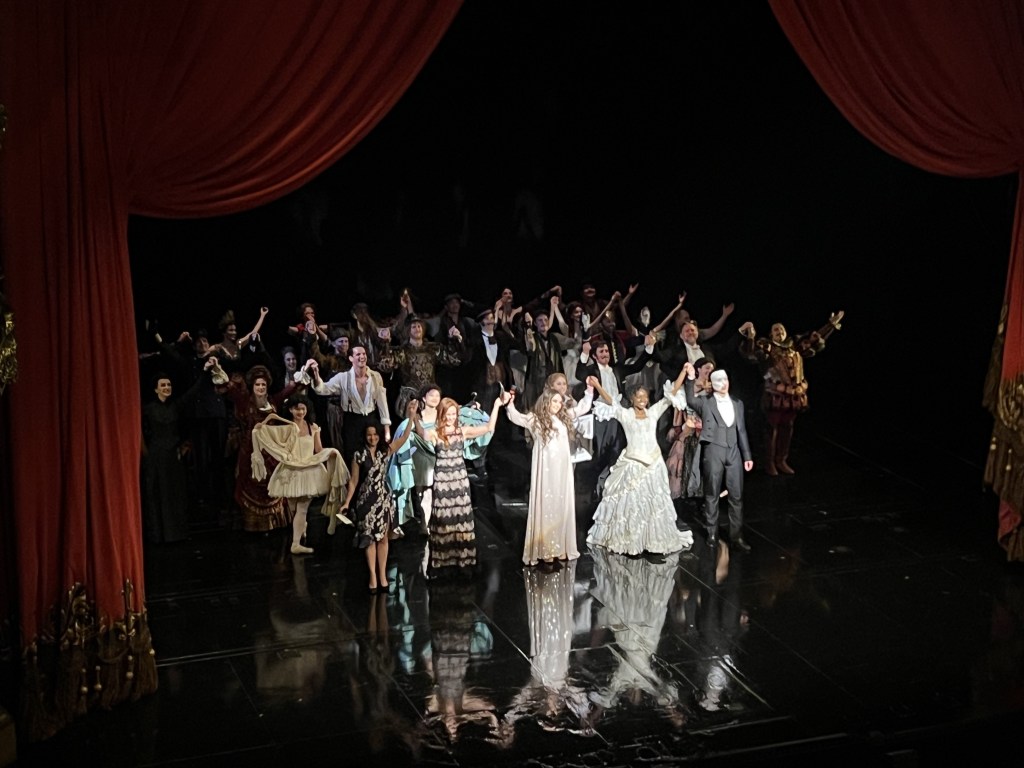
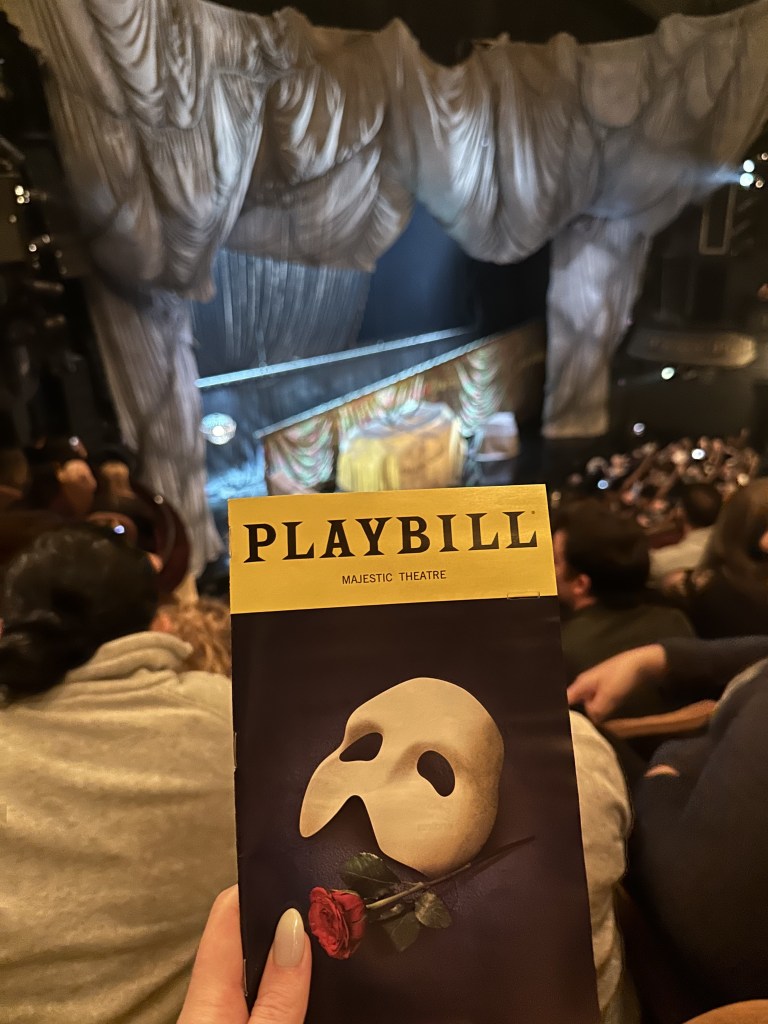
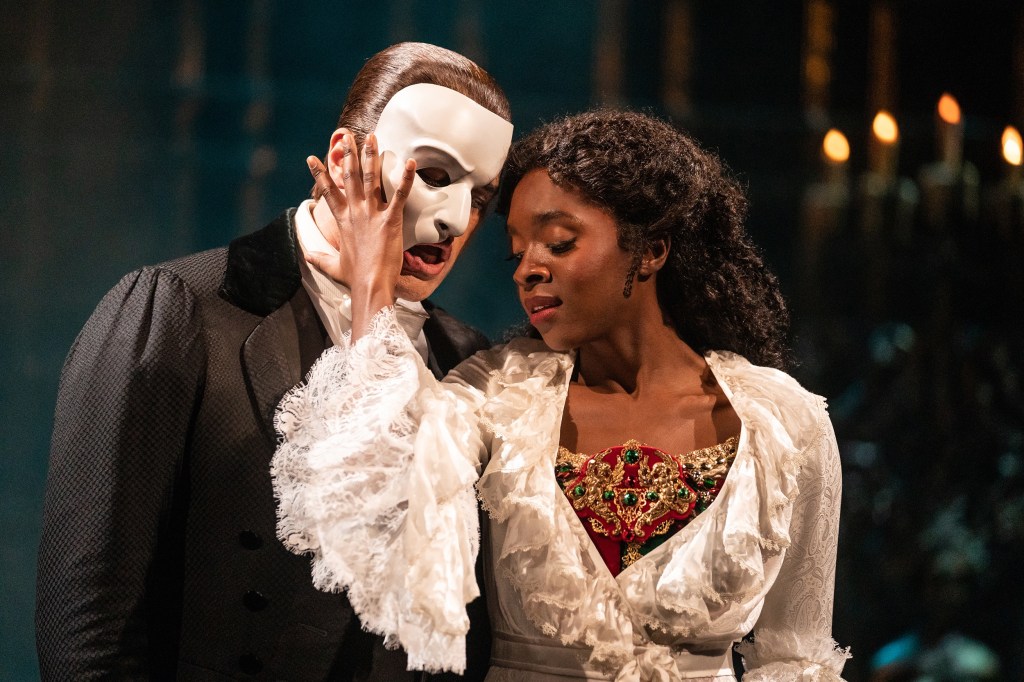
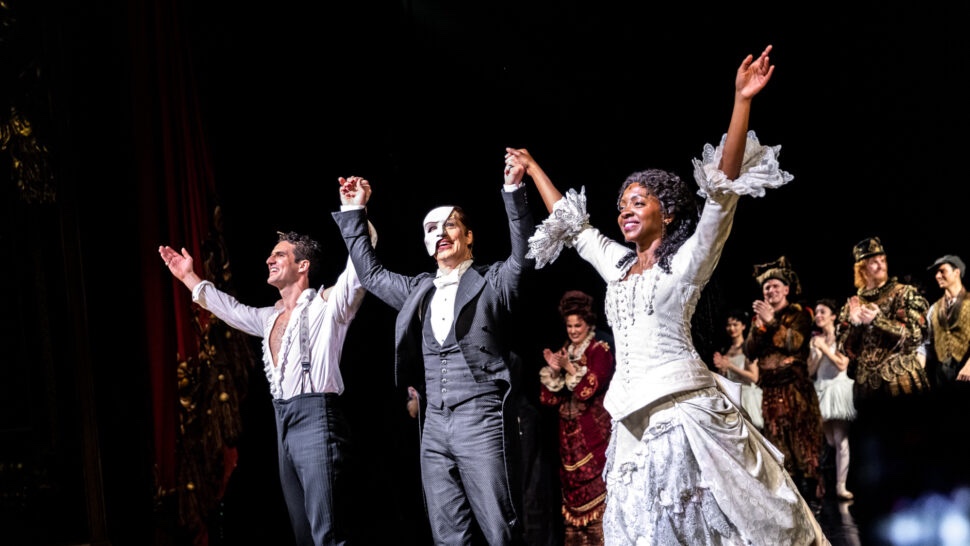
To quote Anne Rice’s Interview With The Vampire: “do you know what it is to be loved by death?” Well, I certainly do not, however, by proxy of Hades and Erik I can imagine and perhaps fathom death as a lover, if only in fiction of course. It is therefore the universality of the maiden and the fascination with death and dying that is why I believe Death and the Maiden, Hades and Persephone and the Phantom of The Opera in a myriad of iterations have carved themselves into the permanent memory of our mortal coils.
“Angel of music guide and guardian grant to me your glory!” – Christine Daaé, Phantom of the Opera, 1986 by Adrew Lloyd Webber

Leave a comment